A new arXiv preprint traces how teacher intent changes as an agentic app moves from brief to specification, generated package, checks and approval—and argues that those transformations must remain attributable, inspectable and contestable.
A new technical report presents CALLIOPE’s source-grounded oral-assessment workflow and a bounded synthetic evaluation of the software paths exercised so far.
Berita Minggu / Berita Harian profiles my 2026 Seed Award and the work behind machine pedagogical intelligence, co-designed educational AI and tools that keep educators central.
LearnAdapt is inviting educators, researchers, institutions and product teams to co-design focused educational applications around real learning problems, using PedOS, Agentic Studio and a wider governed ecosystem.

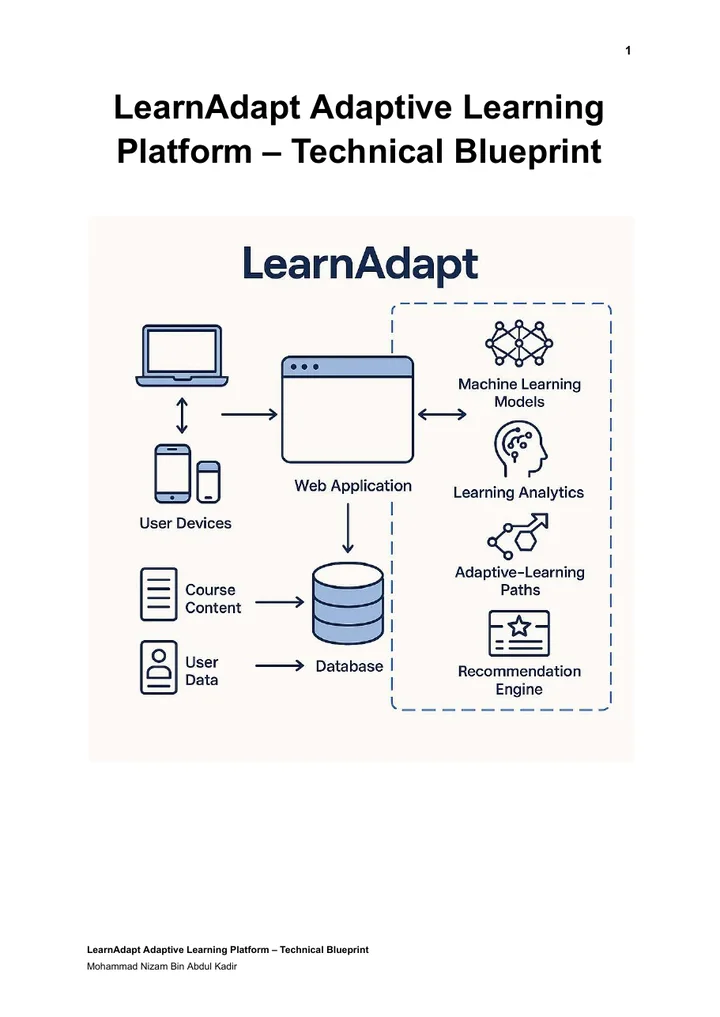 LearnAdapt Technical Blueprint v1.2 is now archived on Zenodo as a citable public resource, with both version-specific and persistent concept DOIs.
 A new arXiv preprint traces how teacher intent changes as an agentic app moves from brief to specification, generated package, checks and approval—and argues that those transformations must remain attributable, inspectable and contestable.
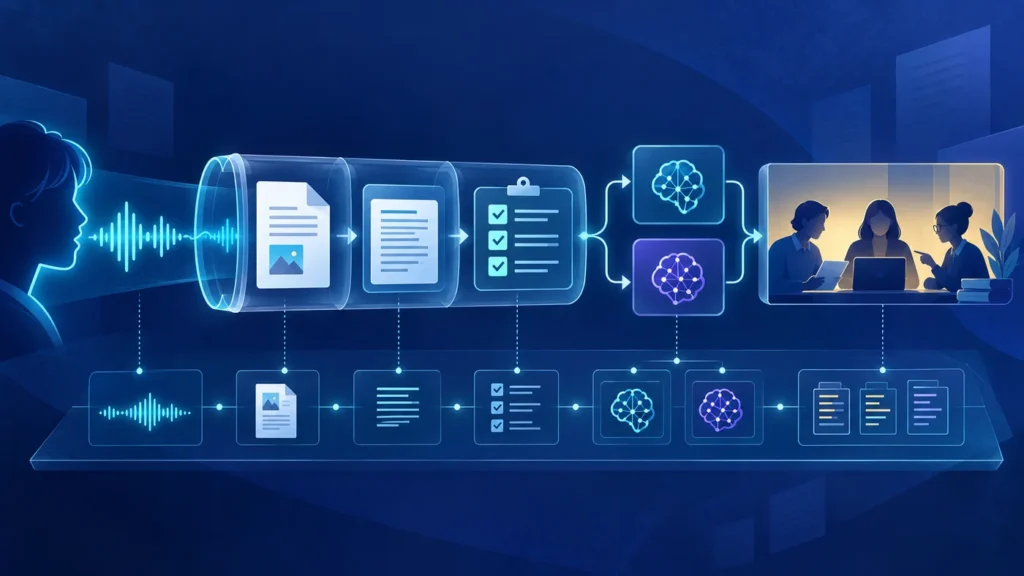 A new technical report presents CALLIOPE’s source-grounded oral-assessment workflow and a bounded synthetic evaluation of the software paths exercised so far.
 Berita Minggu / Berita Harian profiles my 2026 Seed Award and the work behind machine pedagogical intelligence, co-designed educational AI and tools that keep educators central.
 LearnAdapt is inviting educators, researchers, institutions and product teams to co-design focused educational applications around real learning problems, using PedOS, Agentic Studio and a wider governed ecosystem.