

The next educational AI should not be a generic assistant looking for a use case. It should begin with a real learning problem, a specific community, and the people who understand what learning in that setting actually requires.
This is the direction I am pursuing through LearnAdapt: an ecosystem of focused educational applications that can share foundations without losing their distinct pedagogical purposes.
The LearnAdapt Partners page brings these application directions together and invites research groups, educators, institutions, and product teams to discuss what we might build next.
Five focused applications, not one generic interface
- Critsly is a visual workspace for structured design critique, feedback, and reflection.
- Archie Math supports mathematical practice and reasoning through guided questions and hints.
- CALLIOPE is a pilot prototype for source-grounded oral dialogue, transcripts, and draft rubric feedback, with educator review kept central.
- ClioMake turns an educator’s teaching brief into a connected resource pack that can be reviewed and refined before use.
- LearnAdapt Praxis is an early workplace-learning application organised around Frame, Learn, Build, Validate, and Transfer.
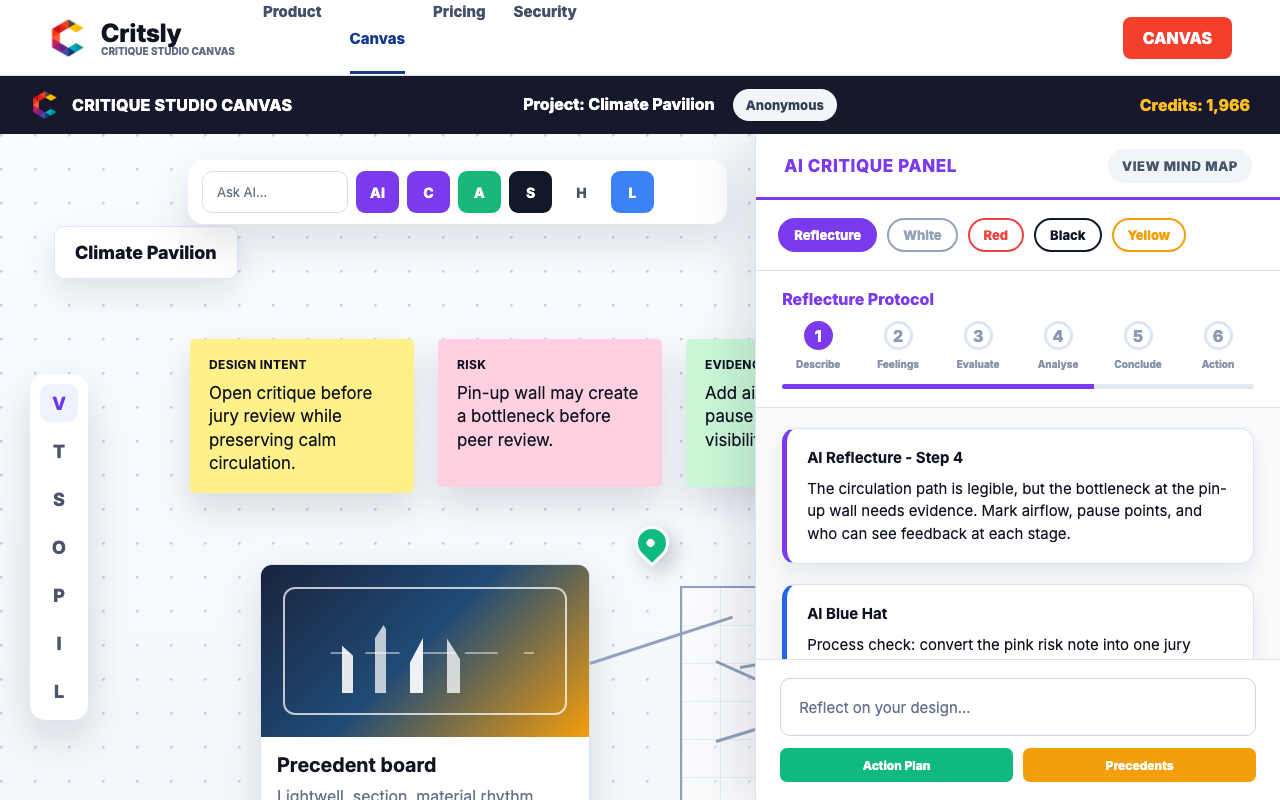
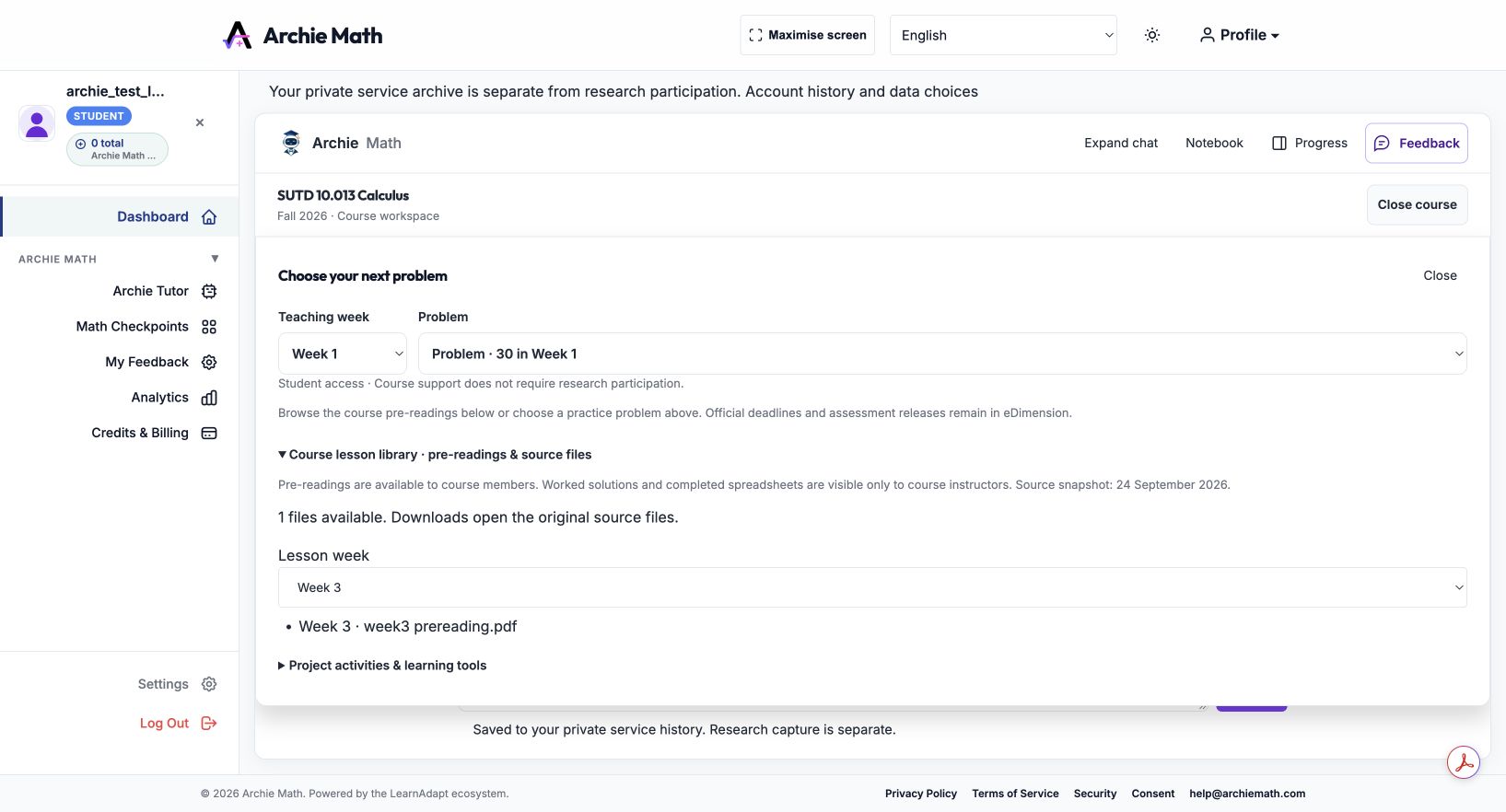
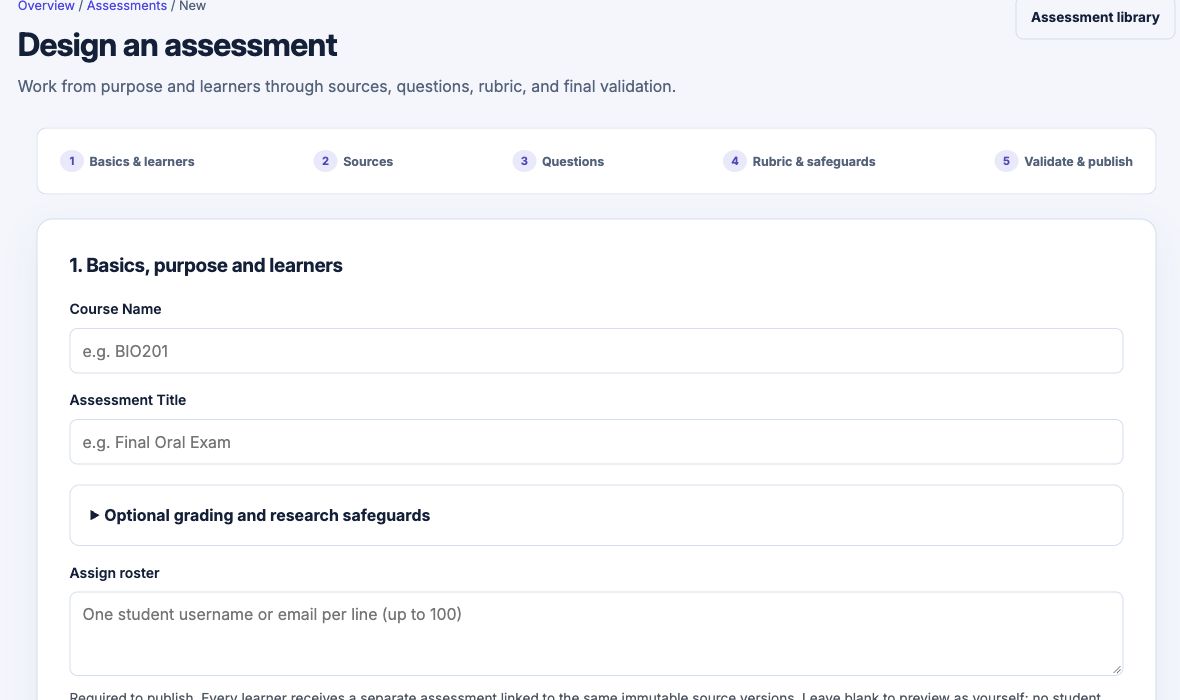
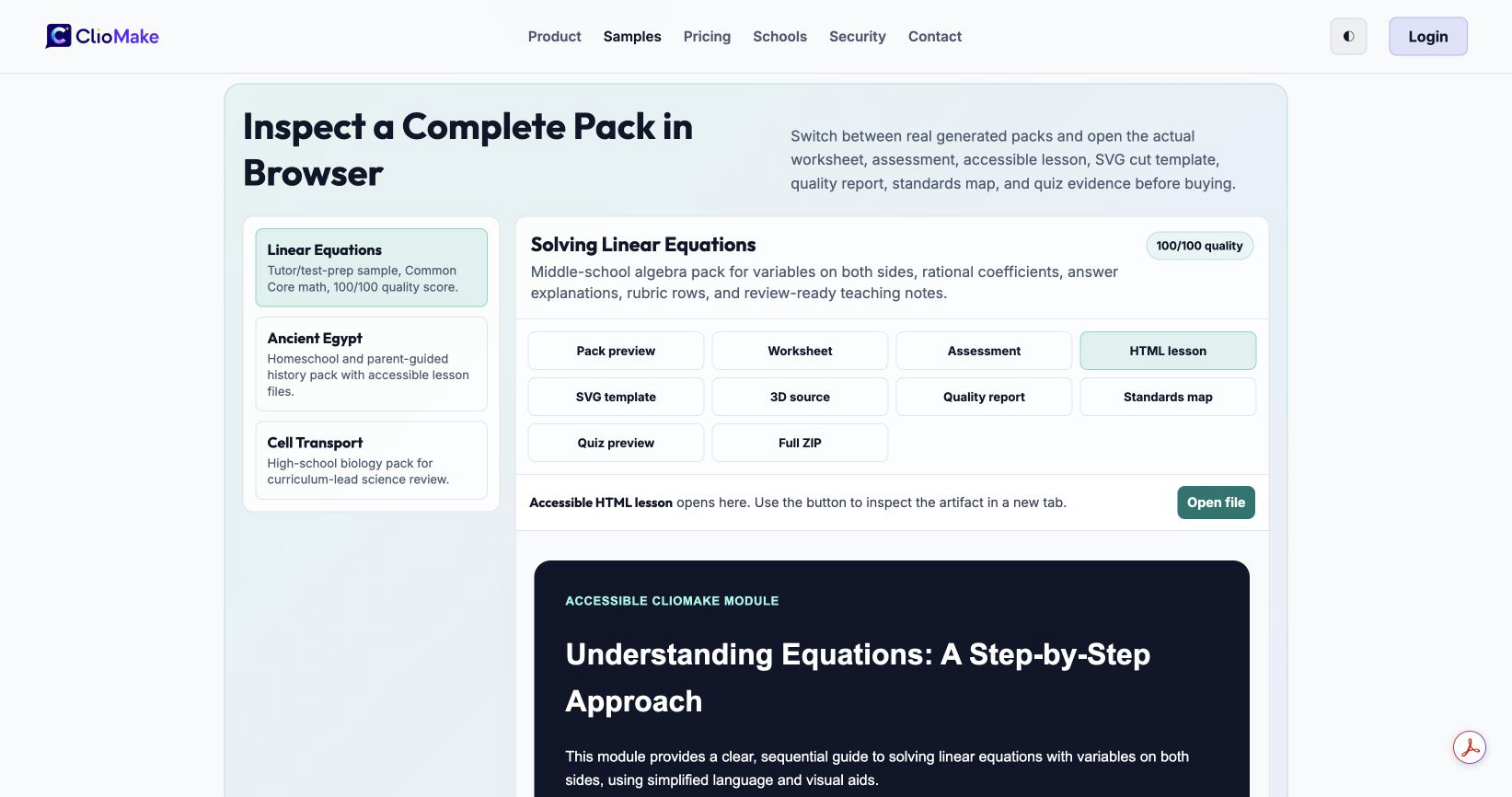
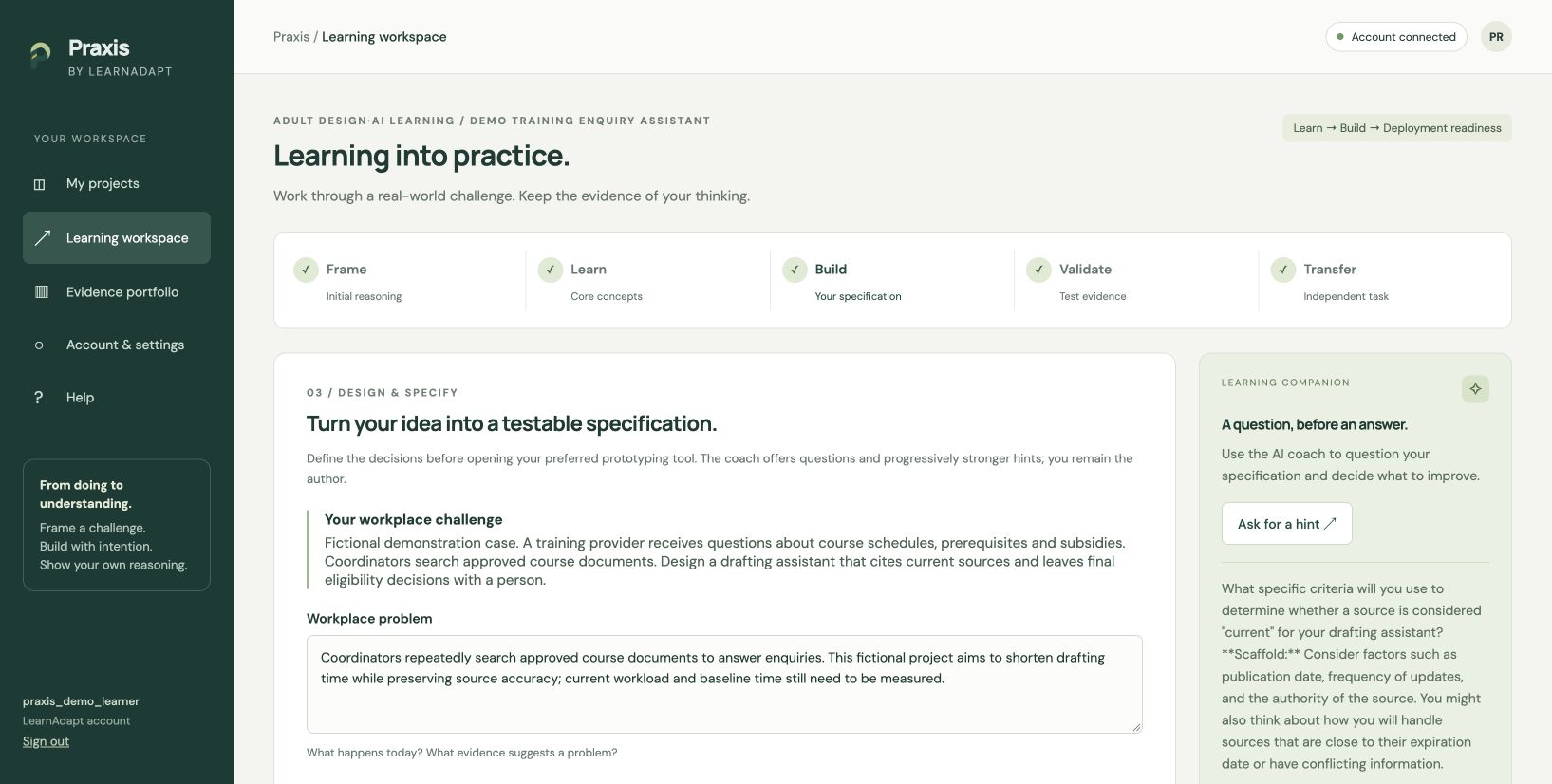
These applications address different learning activities. They are not intended to be different skins over one generic chatbot.
A shared foundation without forced uniformity
An application for oral assessment should not work exactly like a mathematics tutor. A design-critique workspace should not collect the same evidence as a resource-authoring tool. Workplace learning introduces its own questions about reflection, facilitation, and transfer.
LearnAdapt therefore allows each application to combine the platform services it needs with its own specialist workflow. Integration varies by application and stage of development. Some applications use shared account or runtime foundations; others remain more independent while their role in the ecosystem develops.
This boundary matters. I do not want to imply that every application is already connected to every platform component, or that data and learner models automatically move between products. Connections should be introduced only when they serve a clear educational purpose and can be governed responsibly.
What PedOS contributes
PedOS is LearnAdapt’s application and plugin-runtime foundation. It provides structures for manifests and permissions, user-scoped settings and storage, lifecycle events, runtime surfaces, review, and gated telemetry.
In practical terms, PedOS creates explicit boundaries around what an installed application may access and record. It also supports a review process before plugins become available for installation.
This is technical and governance infrastructure. It should not be confused with evidence that an application improves learning. That requires separate evaluation in the settings and with the people an application is intended to serve.
What Agentic Studio contributes
Agentic Studio provides a natural-language pathway for creating LearnAdapt applications.
A user can describe the intended audience, learning workflow, application behaviour, analytics, and boundaries without first writing code. A preflight step checks the brief against the current PedOS SDK, identifies missing or unsupported requests, and estimates the credits required. The agent development process can then plan, build, review, and validate an application package.
The resulting application can be previewed and refined before submission. Package, sandbox, route, and data-boundary checks, followed by admin review, precede directory approval. Here, validation means checking the application package and declared boundaries; it does not by itself demonstrate pedagogical effectiveness.
The wider ecosystem
The Plugins Directory provides a place for approved applications to be described, previewed, and installed. The Educational AI Hub organises models, datasets, spaces, and reusable research assets. LearnAdapt Connect represents a pathway for exploring work with existing institutional learning environments.
Together, these components create possible routes from an educational idea to an application, resources, review, distribution, and institutional use. They should not be read as a claim that every route is complete for every application today.
What co-design should mean
For me, co-design is not an invitation to submit a feature request after the important decisions have already been made. It is a way for the people affected by educational AI to help shape its purpose, workflow, and boundaries.
- What educational problem are we addressing?
- Is AI appropriate for this problem?
- Who experiences the problem, and whose perspective is missing?
- What should the learner, educator, facilitator, and system each do?
- What information is necessary, and what should not be collected?
- How should people review, question, or contest the system’s output?
- What evidence would count as a useful result?
- What would lead us to revise, pause, or retire the application?
The answers cannot come from the platform alone. Educators understand classroom and facilitation practice. Learners understand how a system affects agency, confidence, and risk. Institutions understand governance, implementation, and sustainability. Researchers bring methods for examining whether an intervention behaves as intended and produces worthwhile outcomes.
An invitation to build together
LearnAdapt is interested in working with research groups, educators, institutions, and product teams exploring new learning applications.
A collaboration might begin with a recurring learning problem, a workflow that current tools do not support well, or a research idea that deserves careful translation into practice. From there, we can examine the audience, human roles, data boundaries, application form, and evidence needs together.
The goal is not to attach AI to every educational activity. It is to determine where a focused application may be useful, build it within clear boundaries, and learn from the people who would actually use it.
Leave a Reply